

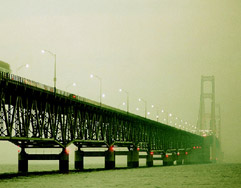

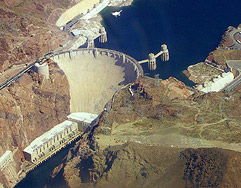
Even as a potential recession dampens the enthusiasm for commercial spending plans, the public sector continues to advance large, complex projects of record breaking magnitude. This is partially because public officials have many funding options, and they are faced with critical infrastructure needs. Many are using alternative funding and innovative methods to deliver infrastructure projects […]
View this complete Infra Views post...Infra Views
The multi-trillion-dollar government marketplace is rarely impacted by economic uncertainty or market trends
Thursday, June 1st, 20232022 TRANSFORMING MASS TRANSIT: Opportunities in Innovation
Tuesday, June 7th, 2022
CG/LA INFRASTRUCTURE 2022 Transforming Mass Transit Dynamic innovation in transit – especially as it relates to user experience and service delivery – will drive global innovation over the next five years. Rail transit is the infrastructure segment on the front lines of safe mobility and has the potential to drastically reduce carbon emissions and help […]
View this complete Infra Views post...2021 Report Card for America’s Infrastructure
Monday, March 8th, 2021
Voters and lawmakers alike have championed smart infrastructure policy and increased investment in our multimodal freight system, drinking water networks, and more. This down payment on our infrastructure bill has contributed to modest but meaningful improvements.
View this complete Infra Views post...Building the Future of New York: Rikers Island
Tuesday, November 24th, 2020
Currently, the City has no concrete plans for what will become of Rikers Island once the jail facilities are removed. According to Judge Lippman, “It is also time to look ahead to how our city can repurpose this island, which has been a symbol and accelerator of misery for so many, and turn it to the use for public good.”
View this complete Infra Views post...Moving Forward in These Challenging Times
Tuesday, October 20th, 2020
During 2021, our goal is to secure ongoing support for this project in order to ensure it continues to be a robust advocacy platform for many years.
View this complete Infra Views post...The Economic Benefits of Investing in Water Infrastructure
Wednesday, August 26th, 2020
Dozens of industries, like mining, manufacturing, and health care, rely directly on water and wastewater services to function. If they lost access to clean water supplies, the economic impact would be acute. Meanwhile, the COVID-19 pandemic has shown that the public health benefits from safe drinking water and wastewater treatment are immeasurable.
View this complete Infra Views post...Status Report: COVID-19’s Impacts on America’s Infrastructure
Wednesday, July 1st, 2020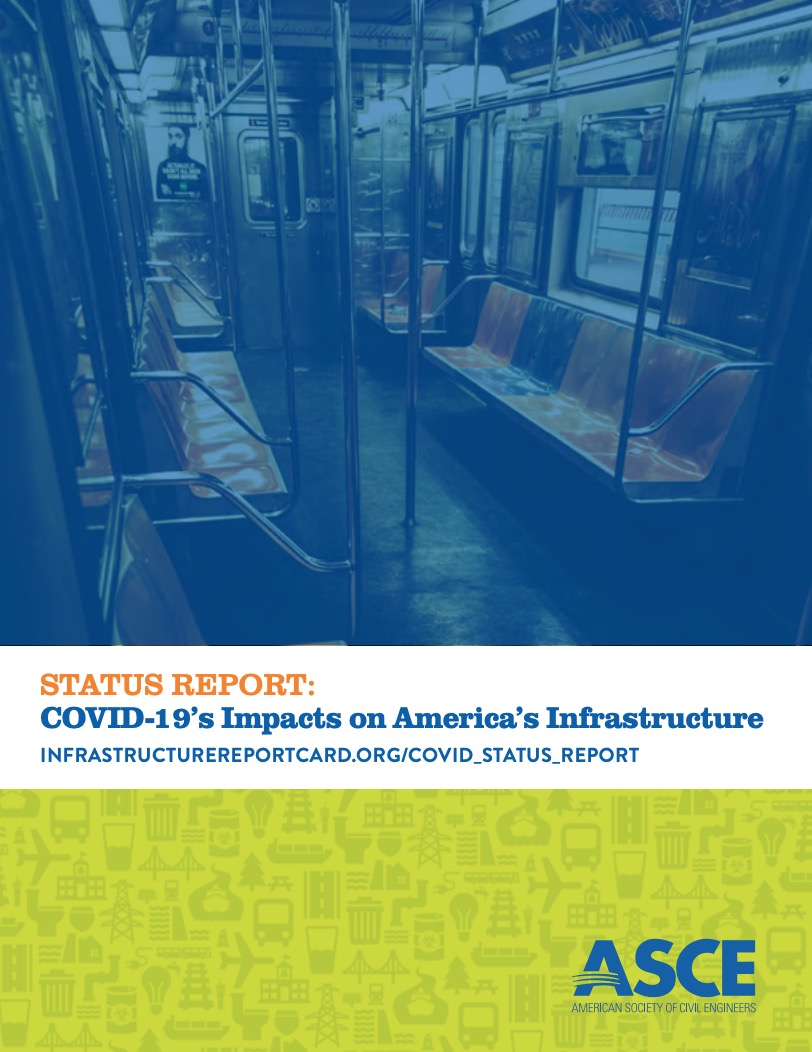
Unfortunately, the COVID-19 pandemic has made a difficult situation worse. A sizable portion of our existing infrastructure systems are supported with user-generated revenue streams. With the onset of the pandemic, commercial water use is down, commuters are staying off the roads and away from transit, and airports are virtually empty.
View this complete Infra Views post...Congestion Pricing in the United States
Tuesday, May 26th, 2020
This report does not replicate the extensive literature and analysis that already exist. Rather, it addresses the most significant barriers to congestion pricing today: the political, institutional, and communication hurdles. While congestion pricing can benefit from sophisticated technology, the primary impediments are not technical. Congestion pricing strategies require bold leadership and vision and these principles are intended to outline an approach for getting there.
View this complete Infra Views post...Learning From the 2009 Recovery Act: Lessons and recommendations for future infrastructure stimulus
Thursday, April 16th, 2020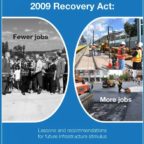
The United States now needs another stimulus. A COVID-19 recession is all but certain. Additional spending will almost certainly follow the CARES Act approved by Congress in late March. While there are enormous needs for relief and support all across the economy, the president and many congressional leaders have indicated that they want infrastructure to be a major part of some future stimulus bill. If Congress wants to use infrastructure spending to create jobs and support recovery, we should learn from the previous stimulus.
View this complete Infra Views post...Data on Demand: A Case Study in the Los Angeles and Puget Sound Regions
Tuesday, February 25th, 2020
This report examines the data needs that agency staff need to consider when developing a MOD agreement with private providers. Background information on elements of data sharing in this context includes general state of the practice, and challenges and opportunities for transit agencies.
View this complete Infra Views post...    |
Follow InfrastructureUSA
CATEGORIES
- Accountability (219)
- Aging Infrastructure (747)
- Aviation (130)
- Biking (323)
- Bipartisan (271)
- Bridges (491)
- Broadband (57)
- Buses (160)
- Carbon Tax (22)
- Clean Air (182)
- Climate Change (199)
- Competitiveness (229)
- Congestion (327)
- Dams (77)
- Democrat (123)
- Drinking Water (190)
- Economic Stimulus (275)
- Employment (207)
- Energy (584)
- Environment (615)
- Equity (239)
- Funding (879)
- Global (205)
- Great American Infrastructure (33)
- Green (293)
- Guests on The Infra Blog (263)
- Hazardous Waste (27)
- High Speed Rail (224)
- Highway (783)
- Inland Waterways (204)
- Jobs (251)
- Land Use (97)
- LEED (28)
- Levees (42)
- Local (1,909)
- National (1,523)
- Policy (1,121)
- Pollution (214)
- Private Investment (213)
- Public Opinion (189)
- Public Parks & Recreation (194)
- Public Transportation (1,025)
- Racism (6)
- Rail (501)
- Recession (65)
- Recovery (218)
- Republican (109)
- Roads (1,118)
- Schools (79)
- Seaports (66)
- Smart Grid (98)
- Smart Growth (442)
- Solid Waste (26)
- Sustainability (763)
- Tax (112)
- Technology (395)
- Telecommunications (46)
- Transit (1,330)
- Urban Planning (977)
- Wastewater (180)
- Water Treatment (164)
Show us your infra!
Show us your infra!
Video, stills and tales. Share images of the Infra in your community that demands attention. Post your ideas about national Infra issues. Go ahead. Show Us Your Infra! Upload and instantly share your message.
Polls
Polls
Is the administration moving fast enough on Infra issues? Are Americans prepared to pay more taxes for repairs? Should job creation be the guiding determination? Vote now!
Views
What do the experts think? This is where the nation's public policy organizations, trade associations and think tanks weigh in with analysis on Infra issues. Tell them what you think. Ask questions. Share a different view.
Blog
The Infra Blog offers cutting edge perspective on a broad spectrum of Infra topics. Frequent updates and provocative posts highlight hot button topics -- essential ingredients of a national Infra dialogue.
Dear Friends,
It is encouraging to finally see clear signs of federal action to support a comprehensive US infrastructure investment plan.
Now more than ever, our advocacy is needed to keep stakeholders informed and connected, and to hold politicians to their promises to finally fix our nation’s ailing infrastructure.
We have already engaged nearly 280,000 users, and hoping to add many more as interest continues to grow.
We require your support in order to rise to this occasion, to make the most of this opportunity. Please consider making a tax-deductible donation to InfrastructureUSA.org.
Steve Anderson
Managing Director
SteveAnderson@InfrastructureUSA.org
917-940-7125
Home |
Show Us Your Infra! |
Infra Views |
The Infra Blog |
Infra Polls |
About |
Resources |
Contact |
 RSS Feed
RSS Feed

© InfrastructureUSA | Terms of Use | Site developed by Andigo New Media
InfrastructureUSA.org is a nonprofit project fiscally sponsored by FJC, a Foundation of Philanthropic Funds.